
The Hot Water Experts:
Tips, News & Insights
Get expert advice on water heater maintenance, energy efficiency, rebates, and more from the trusted professionals at Hot Water Express.
Tankless vs. Tank Water Heater Replacement in the DMV: 2026 Cost, Lifespan, and ROI Breakdown
Tankless vs. Tank Water Heater Replacement in the DMV: 2026 Cost, Lifespan, and ROI Breakdown
That sudden jolt of an ice-cold shower is an unwelcome surprise for any homeowner in the DMV area. It’s an immediate, frustrating signal that your water heater has failed. When this happens, the decision-making process can feel rushed and overwhelming. You need a solution, and you need it fast. For many property owners, this emergency scenario is the first time they seriously consider their options, but planning ahead can save you significant stress and money. Whether you need same day water heater installation DMV services or are proactively planning a system upgrade, understanding the fundamental differences between traditional tank and modern tankless water heaters is crucial for making a wise investment in your home's comfort and efficiency.
The choice is no longer as simple as replacing your old unit with a similar model. Advances in technology, shifting energy costs, and a greater focus on long-term return on investment (ROI) have brought tankless systems to the forefront. This comprehensive guide will break down the costs, lifespan, and performance of both tank and tankless water heaters, providing homeowners in Washington D.C., Maryland, and Northern Virginia with the authoritative information needed to make the best choice for their property and budget. We will explore everything from upfront installation costs to long-term energy savings, helping you navigate this critical home improvement decision with confidence.
From the bustling streets of Washington D.C. to the quiet suburbs of Bethesda and Alexandria, the right water heater can dramatically impact your daily routine and monthly utility bills. Let’s dive into the specifics to determine which system—tank or tankless—is the superior choice for your home in 2026 and beyond. We’ll also touch on other modern options, like a hybrid water heater installation Bethesda MD residents are increasingly choosing for its supreme efficiency.
The Core Comparison: Tank vs. Tankless Water Heaters
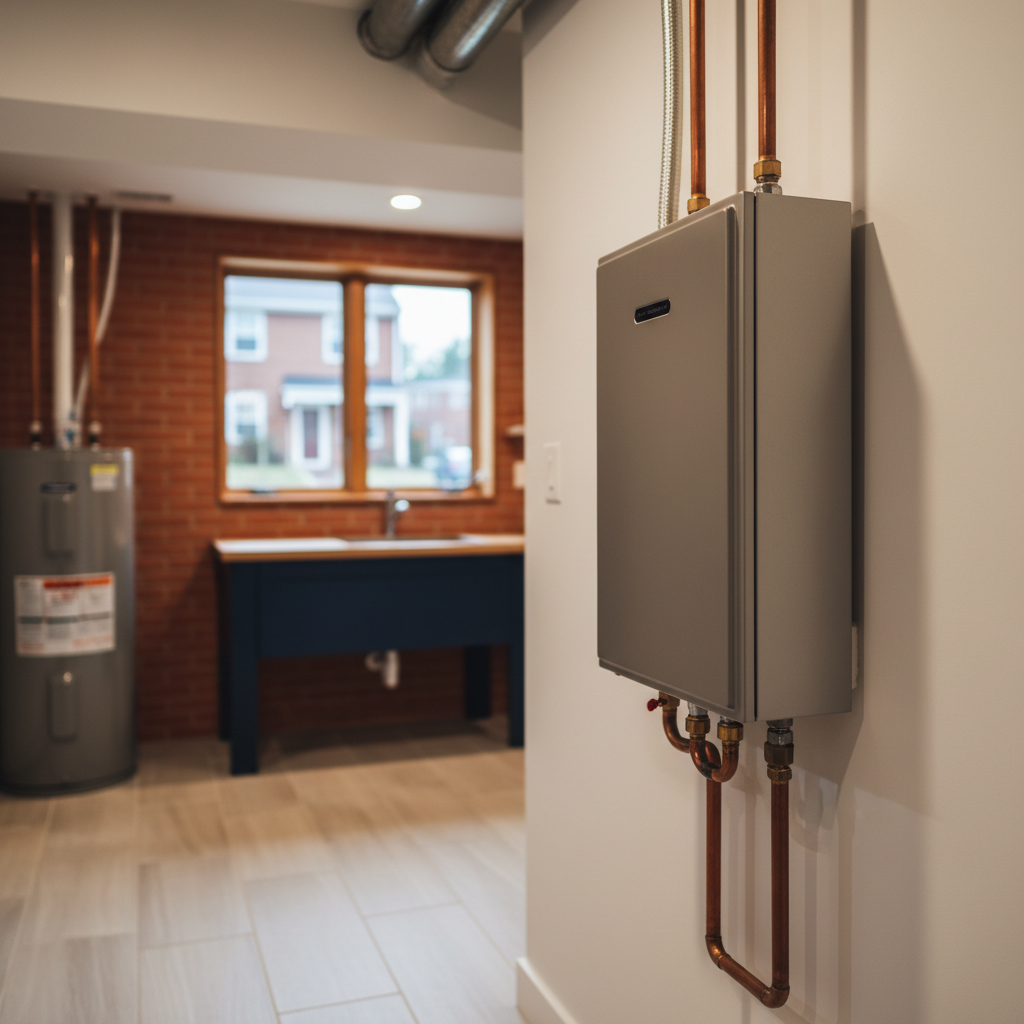
At the heart of the decision is a fundamental difference in how each system heats water. A traditional storage tank water heater, the kind most homeowners are familiar with, keeps a large reservoir of water (typically 40-80 gallons) constantly heated and ready for use. A tankless water heater, also known as an on-demand unit, heats water instantaneously as it passes through the device, eliminating the need for a storage tank. This core difference drives all other factors, including energy use, physical footprint, and upfront cost.
Upfront Costs and Installation Nuances
For most homeowners, the initial price tag is a primary consideration. Traditional storage tank water heaters have a lower upfront cost for both the unit and the installation. Because they are replacing a similar system, the plumbing and venting are often already in place, making the process a relatively straightforward swap. This makes them an attractive option for those on a tight budget or in need of a quick, emergency replacement.
Conversely, a tankless water heater installation Maryland homeowners might consider typically involves a higher initial investment. The units themselves are more expensive, and the installation can be more complex. Upgrading to a tankless system often requires significant changes to your home's gas lines (for gas models) or electrical panel (for electric models) to accommodate the higher energy draw. Venting requirements may also differ, potentially adding to the installation complexity and cost. However, it's crucial to view this not just as an expense, but as an investment that pays dividends over time.
Energy Efficiency and Monthly Operating Costs
This is where tankless water heaters truly shine. Traditional tank models suffer from "standby heat loss," meaning they continuously burn energy to keep the water in the tank hot, even when you aren't using it. According to the U.S. Department of Energy, this standby loss can account for a significant portion of your water heating bill. On-demand water heaters eliminate this waste entirely by only heating water when you turn on a faucet.
For homes that use 41 gallons or less of hot water daily, tankless water heaters can be 24%–34% more energy efficient than conventional storage tank water heaters. This translates directly into lower monthly utility bills. While the exact savings vary based on your family's water usage and local energy prices in areas like Rockville or Fairfax, the long-term operational savings are a compelling reason to consider going tankless. This efficiency is a key driver of their higher ROI over the unit's lifespan.
Lifespan, Maintenance, and Long-Term Value
A standard storage tank water heater typically lasts between 8 and 12 years. Over time, sediment buildup and corrosion can degrade the tank, eventually leading to leaks and failure. While regular maintenance, such as flushing the tank annually, can extend its life, replacement is an inevitable, recurring expense for homeowners.
Tankless water heaters boast a much longer lifespan, often lasting 20 years or more—nearly double that of their tank-based counterparts. They also have easily replaceable parts, which means a single component failure doesn't necessarily require replacing the entire unit. While they require periodic descaling, especially in areas with hard water, this type of water heater maintenance Silver Spring MD residents can schedule ensures peak performance and longevity. The extended lifespan, combined with energy savings, creates a powerful long-term value proposition.
Making the Right Choice for Your DMV Home
Selecting the perfect water heater involves more than just comparing two types of technology. It requires a careful assessment of your household's specific needs, your property's infrastructure, and your long-term financial goals. A family of five in a large Gaithersburg home will have vastly different hot water demands than a couple in a smaller Arlington condo.
Assessing Your Hot Water Demands
Before you can choose a unit, you need to understand your peak hot water usage. For a tankless heater, this means calculating the flow rate (gallons per minute, or GPM) you'll need. Add up the flow rates of all the fixtures you might use simultaneously. For example, running a shower (2.5 GPM) and a dishwasher (1.5 GPM) at the same time requires a unit that can handle at least 4.0 GPM.
For a storage tank heater, the key metric is the First Hour Rating (FHR), which indicates how many gallons of hot water the unit can supply in an hour of heavy use. A professional technician can help you perform these calculations to ensure your new water heater is properly sized. Undersizing is a common mistake that leads to lukewarm showers and frustration, while oversizing results in unnecessary energy waste.
The Critical Role of Professional Installation
Whether you choose a tank or tankless model, professional installation is non-negotiable. This is especially true when considering a hot water heater replacement Virginia homeowners need done right. Improper installation can lead to dangerous gas leaks, carbon monoxide exposure, water damage, and voided manufacturer warranties. A certified technician ensures all connections are secure, venting is up to code, and the unit is calibrated for optimal performance and safety.
For complex jobs like converting from a tank to a tankless system, the expertise of a company like hotwater express is invaluable. Our technicians understand the specific code requirements in jurisdictions from Prince George's County to Fairfax County and can handle the necessary gas line or electrical upgrades safely and efficiently. Explore our water heater services to see how we ensure every installation is performed to the highest standard.
Recognizing the Signs: When to Replace vs. Repair
How do you know if you need a full replacement or just a simple repair? If your water heater is over 10 years old, shows signs of rust on the tank, makes rumbling or popping noises, or consistently fails to provide enough hot water, replacement is often the most cost-effective solution. A leaking tank is an undeniable sign that immediate replacement is necessary to prevent catastrophic water damage.
For younger units, issues like a faulty thermostat, a bad heating element, or a malfunctioning pilot light can often be fixed. If you're facing inconsistent hot water or other minor issues, calling for a water heater repair Washington DC service can diagnose the problem. A professional assessment will help you weigh the cost of the repair against the age and condition of your unit, guiding you toward the smartest financial decision.
Future-Proofing Your Home: Trends and Advanced Technology
The world of water heating is evolving. As homeowners become more environmentally conscious and energy costs continue to rise, manufacturers are innovating with smarter, more efficient technologies. Looking beyond the standard tank vs. tankless debate can help you "future-proof" your home and maximize your investment.
The Rise of the Hybrid (Heat Pump) Water Heater
A third major option is the hybrid electric water heater, also known as a heat pump water heater. These units are a game-changer in energy efficiency. Instead of generating heat directly, they capture heat from the surrounding air and transfer it to the water in the storage tank. This process makes them two to three times more efficient than standard electric resistance water heaters.
A hybrid water heater installation Bethesda MD is an excellent choice for homeowners looking to drastically reduce their carbon footprint and electricity bills. While their upfront cost is higher than standard electric tanks, they offer a very rapid ROI, often paying for themselves in just a few years through energy savings. They do require more vertical clearance and adequate airflow, making them ideal for basements or garages in homes across the DMV.
Navigating Energy Regulations and Rebates
Federal and local governments are continually updating energy efficiency standards for appliances, including water heaters. The ENERGY STAR® program provides a clear benchmark for high-efficiency models that can qualify for tax credits and local utility rebates. When shopping for a new water heater, always look for the ENERGY STAR® label.
These financial incentives can significantly offset the higher purchase price of tankless and hybrid models. A knowledgeable installer can help you identify which models qualify for rebates from utilities like Pepco, Dominion Energy, or BGE, maximizing your savings. These programs are designed to encourage the adoption of greener technology, benefiting both your wallet and the environment.
Integrating Water Heaters with Smart Home Systems
The latest generation of water heaters is getting smarter. Many new models, particularly in the tankless and hybrid categories, come with Wi-Fi connectivity. This allows you to monitor and control your water heater from a smartphone app. You can adjust the temperature, track energy usage, and even receive alerts if a leak is detected.
This technology offers unprecedented convenience and control. For property managers in places like College Park or Alexandria, the ability to remotely monitor multiple units is a significant advantage. For homeowners, it means being able to put the water heater in "vacation mode" to save energy while you're away and receive proactive maintenance reminders, preventing unexpected breakdowns and the need for an emergency water heater service DMV call.
Common Mistakes to Avoid During Your Water Heater Replacement
A water heater replacement is a significant investment, and making a mistake during the process can lead to years of frustration, high bills, or even unsafe conditions. Being aware of the common pitfalls can help you ensure a smooth and successful project.
The Dangers of DIY Installation
While the temptation to save money with a DIY installation is understandable, it's a risk not worth taking. Water heaters involve a dangerous combination of high water pressure, electricity or natural gas, and potentially high temperatures. A single mistake can lead to leaks, fires, explosions, or carbon monoxide poisoning. Furthermore, most local jurisdictions, including those in Montgomery and Prince George's Counties, require a licensed plumber to perform the installation and pull a permit. A DIY job will not pass inspection and will void your warranty.
Undersizing the Unit to Save Money
Choosing a water heater that's too small for your home's needs is a classic mistake. An undersized tank heater will constantly run out of hot water during peak demand, while an undersized tankless unit will cause a frustrating drop in water pressure and temperature when multiple faucets are in use. Don't let a slightly lower price tag tempt you into buying a unit that can't keep up with your family's lifestyle. A professional consultation is the best way to ensure your unit is sized perfectly for maximum comfort and efficiency.
Ignoring Your Home's Water Quality
The water quality in the DMV area can vary, with some locations having harder water than others. Hard water contains high levels of minerals like calcium and magnesium, which can build up inside your water heater as scale. This mineral buildup forces the unit to work harder, reduces its efficiency, and shortens its lifespan. For tankless units, scale can clog the narrow passages of the heat exchanger, leading to premature failure.
Before installing a new, expensive water heater, consider your water quality. Investing in a whole-home water filtration system Alexandria VA residents often find necessary can protect your investment. A filtration or water softening system will not only extend the life of your water heater but also improve the performance of all your water-using appliances and fixtures.
Local Expertise for DMV Area Homes
Choosing a water heater isn't just about the technology; it's about finding the right solution for your specific location within the diverse DMV region. From the historic row homes of Washington D.C. to the modern suburban developments in Howard and Anne Arundel Counties, each area presents unique challenges and considerations. This is where partnering with a local expert like hotwater express provides unmatched value.
Our technicians have extensive experience working in every corner of our service area, including Montgomery County (Bethesda, Rockville, Silver Spring, Gaithersburg, Takoma Park), Prince George's County (College Park, Laurel, Greenbelt, Bowie, Hyattsville), Howard County (Columbia, Elkridge), Anne Arundel County (Annapolis, Crofton, Glen Burnie), and Northern Virginia (Alexandria, Arlington, Fairfax, Falls Church, McLean, Tysons). We understand the local building codes, permit processes, and common infrastructure challenges, such as older plumbing in historic Annapolis homes or the specific venting needs in tightly packed Arlington townhouses. This localized knowledge ensures your installation is not only compliant but also optimized for your home's unique characteristics, preventing costly delays and future problems.
Frequently Asked Questions
How much does a new water heater cost in the DMV area?
The cost varies widely based on type, size, and installation complexity. A standard tank water heater installation can range from $1,200 to $2,500, while a tankless water heater installation typically costs between $3,500 and $6,000. Factors like necessary plumbing, venting, or electrical upgrades will affect the final price.
Can I get a water heater installed today?
Yes, in many cases, same-day installation is possible, especially for standard replacements. Companies like hotwater express specialize in rapid response and offer emergency services to get your hot water restored as quickly as possible, often on the same day you call.
What are the benefits of a tankless water heater?
The primary benefits are endless hot water on demand, significantly higher energy efficiency leading to lower utility bills, and a much longer lifespan of 20+ years. They also have a compact, space-saving design, which is a great advantage in smaller homes or condos.
How long does a water heater installation take?
A straightforward replacement of a traditional tank water heater typically takes 2 to 4 hours. A more complex conversion to a tankless system, which may require new gas or electrical lines and venting, can take 4 to 8 hours or longer, depending on the specifics of the job.
Choosing between a tank and tankless water heater is a major decision that impacts your home’s comfort, budget, and environmental footprint for years to come. By weighing the upfront costs against the long-term ROI, energy savings, and extended lifespan, you can make an informed choice that aligns with your family’s needs. Whether the reliability of a traditional tank fits your budget or the efficiency and endless hot water of a tankless system is your goal, professional guidance is key. For expert advice and flawless same day water heater installation DMV, trust the local professionals who know your neighborhood.
Don't wait for a cold shower to force your hand. If your water heater is aging or you're ready to upgrade to a more efficient system, contact the experts at hotwater express today. Visit our website at hotwaterexpress.com or give us a call to schedule your consultation and get a fast, reliable quote for your home in Washington D.C., Maryland, or Northern Virginia.
Copyrights 2025 | HotWaterExpress.com | Terms & Conditions